
Free Shipping Over £250

Korean Skincare to Sell on Whatnot: The Ultimate Retailer’s Strategy Guide

Live shopping is changing the way beauty products are sold.
Instead of scrolling through endless product pages, shoppers can now watch products being demonstrated, ask questions, hear honest opinions and buy while they’re still watching.
And if there’s one category that feels almost made for live shopping, it’s Korean skincare.
Think about it.
Colourful modelling masks. Viral serums. Unusual ingredients. Before-and-after stories. Multi-step routines. Products that bubble, peel, foam and change texture in front of the camera.
K-Beauty gives sellers something to talk about.
But simply buying a pile of popular Korean skincare products and starting a Whatnot stream probably isn’t going to build a profitable business.
You need the right products.
You need enough recognisable brands to attract viewers.
You need enough margin to actually make money.
And perhaps most importantly, you need a reason for viewers to keep watching.
Here’s how we’d approach selling Korean skincare on Whatnot.
Key Points
Short on time? Here’s what you need to know:
- Korean skincare is particularly well suited to live selling because products are visual, demonstrable and easy to talk about.
- Don’t build your entire inventory around viral products with tight margins.
- Use recognisable K-Beauty brands to attract viewers and introduce them to less obvious products once they’re watching.
- Focus on products you can explain, demonstrate or build a story around.
- Skincare routines and bundles can help increase average order value.
- Buying from consumer websites makes it much harder to build sustainable margins.
- Work with a UK-based Korean skincare wholesaler so you can restock quickly without committing to huge quantities.
- Authenticity and UK cosmetics compliance should be considered when choosing suppliers.
- You don’t necessarily need hundreds of products to start.
- A carefully chosen combination of viral products, interesting discoveries and profitable lines is usually a much better strategy.
Why Korean Skincare Works So Well on Whatnot
Korean skincare and live commerce have something very important in common.
They’re both driven by discovery.
Most people don’t discover an interesting Korean serum because they desperately needed another serum.
They discover it because someone showed them:
- An unusual ingredient
- An interesting texture
- A clever formulation
- A new skincare routine
- A product everyone suddenly seems to be talking about
That’s exactly what happens during a live stream.
You aren’t simply placing a product in front of someone and hoping they click “Add to Basket.”
You have the opportunity to explain why it exists.
And with Korean skincare, there’s usually plenty to explain.
K-Beauty Is Incredibly Visual
Let’s be realistic.
Some products are much easier to sell on camera than others.
A basic bottle of moisturiser might be an excellent product, but unless you have an interesting story to tell, there’s only so much you can say about it.
Korean skincare gives you more options.
You have:
- Sheet masks
- Hydrogel masks
- Modelling masks
- Peeling gels
- Toner pads
- Cleansing balms
- Bubble cleansers
- Spicule treatments
- Lip masks
- Jelly creams
- Colour-changing textures
- Ampoules with unusual consistencies
These products give you something to demonstrate.
You can show viewers the texture.
You can explain how the product is used.
You can compare it with another product.
You can answer questions about which skin types might prefer it.
You can build an entire conversation around one product.
That’s incredibly valuable in live commerce.
People Love Learning About K-Beauty Ingredients
Snail mucin.
Centella asiatica.
PDRN.
Heartleaf.
Rice extract.
Fermented ingredients.
Mugwort.
Bakuchiol.
Retinal.
If you’re already familiar with Korean skincare, these ingredients probably don’t sound particularly unusual.
But to someone discovering K-Beauty for the first time?
They’re conversation starters.
And that’s exactly what you need during a live stream.
Instead of saying:
“Here’s another moisturiser.”
You can explain:
- What the hero ingredients are
- Why the product became popular
- Which skin types might like it
- Where it fits into a routine
- What other products work well alongside it
You’re no longer just selling a product.
You’re helping someone understand skincare.
And when people trust your recommendations, they’re much more likely to return for future streams.
K-Beauty Naturally Encourages Routine-Based Selling
Here’s another major advantage.
Skincare products rarely exist in isolation.
Someone buying a cleanser may also need:
- A toner
- A serum
- A moisturiser
- Sunscreen
Someone interested in barrier care might want:
- A gentle cleanser
- A soothing toner
- A ceramide serum
- A rich barrier cream
Someone concerned about oily skin might prefer:
- A lightweight cleanser
- Exfoliating toner pads
- A niacinamide serum
- A gel moisturiser
This creates a natural opportunity to build routines during your live streams.
Instead of selling one £15 product, you might help a customer build an entire three or four-product routine.
That can increase your average order value while also providing a much more useful service to the customer.
The Biggest Mistake: Only Selling Viral Products
This is where things get interesting.
Let’s say you decide to start selling K-Beauty on Whatnot.
Naturally, you look for the brands everyone recognises.
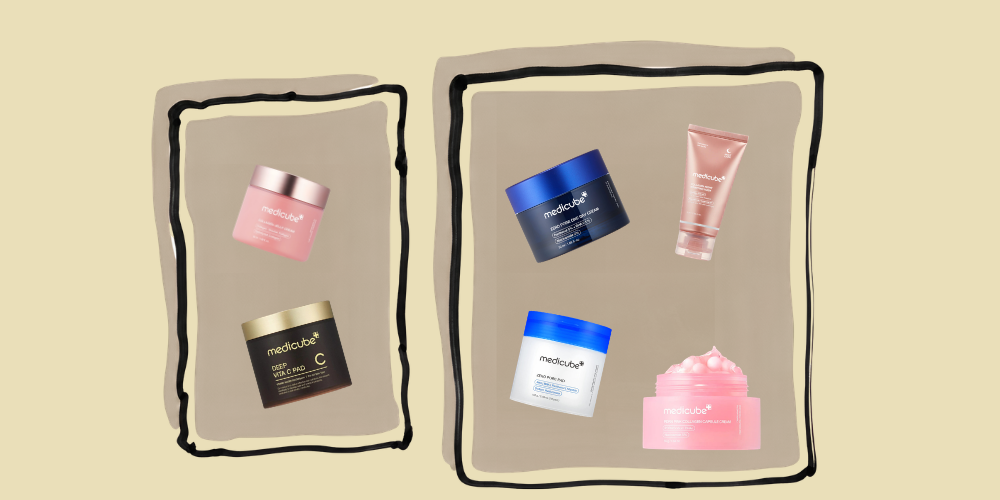
Medicube.
Anua.
Beauty of Joseon.
COSRX.
SKIN1004.
These brands can be excellent for attracting attention.
There’s just one problem.
Everyone else knows they’re popular too.
That often means:
- More competition
- Easier price comparison
- Customers who already know the cheapest online price
- Tighter wholesale margins
If you build your entire Whatnot business around the same ten viral products as everyone else, you can quickly find yourself competing almost entirely on price.
That’s not a particularly comfortable place for a small business to be.
The Hook vs. Margin Strategy
We think there’s a better approach.
Use famous products as the hook.
Use discovery products to build the business.
For example, you might stock popular products from brands such as:
- Medicube
- Anua
- Beauty of Joseon
- COSRX
- SKIN1004
- VT Cosmetics
These are the products people recognise.
They’re the names someone might search for.
They’re the products that might encourage a viewer to enter your stream.
But once they’re watching, you have an opportunity to introduce them to products they haven’t discovered yet.
That might include:
- A lesser-known Korean skincare brand
- A professional-style treatment product
- An unusual formulation
- A product for a very specific skin concern
- A brand that’s popular in Korea but still growing in the UK
This is where your expertise becomes valuable.
Should You Use Viral Products as Loss Leaders?
Potentially.
But we’d be careful.
A loss leader is a product sold at little or no profit to attract customers.
For a large retailer, that can be a perfectly reasonable strategy.
For a small seller, repeatedly losing money to attract viewers can become expensive very quickly.
We’d prefer to think of popular products as low-margin hooks rather than automatic loss leaders.
You might make less profit on a viral Medicube product.
That’s fine if the product:
- Attracts viewers
- Generates followers
- Encourages additional purchases
- Helps you sell bundles
- Introduces customers to more profitable products
The important thing is knowing why you’re selling it.
Don’t discount products simply because everyone else is doing it.
Have a strategy.
What Korean Skincare Should You Sell on Whatnot?
There isn’t one perfect product list.
Your ideal inventory will depend on:
- Your audience
- Your personality
- Your skincare knowledge
- Your available capital
- Your average selling price
But some product categories are particularly well suited to live selling.
1. Products With Instant Visual Appeal
If a product does something interesting on camera, that’s a good start.
Consider products such as:
- Modelling masks
- Hydrogel masks
- Peeling gels
- Cleansing balms
- Toner pads
- Bubble products
- Lip masks
- Jelly-textured moisturisers
These products are easy to demonstrate and give viewers a reason to keep watching.
2. Viral K-Beauty Staples
You probably want some recognisable products in your inventory.
Popular categories include:
- Rice toners
- Centella ampoules
- PDRN serums
- Barrier creams
- Korean sunscreens
- Toner pads
- Cleansing oils and balms
- Overnight masks
The advantage is simple.
People already know what these products are.
The disadvantage?
They’re usually easier to price compare.
That’s why we’d use them as part of your inventory rather than your entire inventory.
3. More Advanced Skincare Products
This is where knowledgeable sellers can really stand out.
Consider products featuring:
- Retinal
- Vitamin C
- Peptides
- PDRN
- Spicule technology
- Exosome-focused formulations
- Advanced barrier care
These products give you more to discuss.
They also attract skincare enthusiasts who may already own the basics and are looking for something new.
Just be careful with your claims.
There is a big difference between explaining what an ingredient is used for in cosmetics and promising that a product will treat a medical condition.
4. Products for Specific Skin Concerns
Generic skincare can be difficult to sell.
Solutions are easier.
You could build parts of your stream around concerns such as:
- Dry skin
- Oily skin
- Dehydrated skin
- Dull-looking skin
- Mature skin
- Uneven-looking skin tone
- Damaged skin barrier
- Fine lines and wrinkles
Instead of saying:
“Who wants to buy this serum?”
You can ask:
“Who here struggles with dehydrated skin?”
Now you have a conversation.
And conversations are what make live shopping interesting.
5. Build-a-Routine Bundles
This is probably one of our favourite ideas for Whatnot sellers.
Ask the viewer about:
- Their skin type
- Their main concern
- What products they already use
- Their budget
Then create a routine.
For example:
£30 Beginner K-Beauty Routine
- Cleanser
- Serum
- Moisturiser
Dry Skin Routine
- Hydrating toner
- Barrier serum
- Rich moisturiser
Mature Skin Routine
- Peptide serum
- Retinal treatment
- Barrier cream
You could even create mystery skincare boxes based on skin type and budget.
Just make sure the customer understands what they’re buying and that you aren’t making medical claims or diagnosing skin conditions.
How Much Inventory Do You Need?
Probably less than you think.
One of the biggest mistakes new retailers make is assuming they need hundreds of products.
You don’t.
In fact, too much inventory can make your streams confusing.
Starting with a carefully selected range of 30–50 products may be more practical.
For example:
- 10 recognisable viral products
- 10 visually interesting products
- 10 higher-margin discovery products
- 10 specialist or advanced skincare products
- 10 products suitable for bundles and routines
You can then watch what sells.
Restock the winners.
Reduce the products nobody asks about.
And gradually build your range based on actual customer demand.
How to Source Korean Skincare for Whatnot
This is where your business model can succeed or fail.
When you’re starting small, it’s tempting to buy products wherever you find the lowest price.
That might include:
- Consumer websites
- Overseas marketplaces
- Flash sales
- Unknown online suppliers
The problem is that you’re trying to build a business.
Not simply find cheap skincare.
Why Retail Arbitrage Can Become a Problem
Buying from consumer websites and reselling the products can create several challenges.
You may face:
- Inconsistent stock availability
- Changing prices
- Poor margins
- Long delivery times
- Import charges
- Authenticity concerns
- Products not prepared for the UK market
You also have no reliable way to scale.
A product might be available cheaply today and disappear tomorrow.
That’s not ideal when your customers are asking when it will be back in stock.
Working With a B2B Korean Skincare Wholesaler
A specialist wholesaler can make things much simpler.
Look for a supplier that offers:
- Authentic Korean skincare
- UK-based stock
- Clear wholesale pricing
- Fast delivery
- Low minimum order requirements
- A broad range of brands
- Products prepared for the UK market
- Support when choosing inventory
For small Whatnot sellers, flexibility can be particularly important.
You may not want 100 units of one serum.
You might prefer:
- 3 units of one product
- 5 units of another
- 2 units of something experimental
- 10 units of a proven bestseller
This allows you to test products without tying up large amounts of money in inventory.
How AhoyBeauty Can Help
At AhoyBeauty, we supply authentic Korean skincare to UK businesses.
Our customers include:
- Online retailers
- Salons
- Beauty professionals
- Clinics
- Independent shops
- Small businesses
And our approach is deliberately small-business friendly.
We offer:
- No Minimum Order Quantity
- No Minimum Order Value
- The ability to buy as little as one item
- Hundreds of Korean skincare products
- 30+ brands
- New products added regularly
- UK-based stock
- Fast UK delivery
- Dedicated account support
For a Whatnot seller, that means you can experiment.
You can try new brands.
Test different product categories.
Order a small quantity.
See what your viewers actually want.
Then come back and restock the products that sell.
You don’t need to predict your entire business before your first live stream.
Final Thoughts
Korean skincare and Whatnot have the potential to work extremely well together.
K-Beauty is visual.
It’s educational.
It’s driven by discovery.
And it naturally encourages customers to buy routines rather than individual products.
But we’d avoid building a business entirely around chasing the latest viral product.
Instead, combine:
- Recognisable brands that attract viewers
- Interesting products that keep them watching
- Specialist skincare that demonstrates your expertise
- Higher-margin discoveries that help make your business sustainable
That’s the balance we’d aim for.
Use viral products as the hook.
Use your knowledge to build trust.
And use carefully selected products to turn viewers into repeat customers.
If you’re ready to start sourcing Korean skincare for your Whatnot business, apply for an AhoyBeauty trade account to browse our wholesale catalogue, access trade pricing and start building an inventory that works for your audience.
Because you don’t need hundreds of units to start selling K-Beauty.
You just need the right products.
