
Free Shipping Over £250

Should I Stock Korean Skincare in My Salon?

If you run a salon, beauty clinic or treatment room, there’s one unavoidable problem with growing your income.
There are only so many hours in the day.
Whether you’re offering facials, waxing, nails, lashes or advanced skin treatments, your main source of revenue probably depends on appointments.
And appointments take time.
Want to earn more?
You need to see another client.
Want to increase revenue by 20%?
You either need to increase your prices, work longer hours or somehow fit more appointments into an already busy diary.
But there’s another option.
Sell products.
Your clients are already buying skincare. The question is whether they’re buying it from you or going home, opening TikTok, Amazon or Google and buying it from someone else.
And this is where Korean skincare gets particularly interesting.
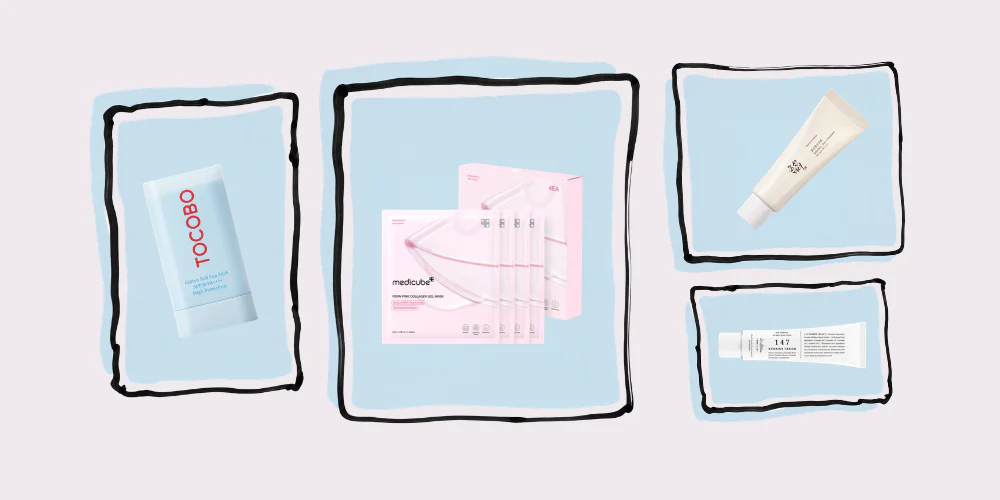
Thanks to the huge popularity of K-Beauty, salon owners now have access to products that clients may already recognise, genuinely want to buy and can easily incorporate into their existing skincare routines.
Even better?
You don’t necessarily need to spend thousands of pounds building a retail range.
Here’s why we think Korean skincare is one of the most interesting retail opportunities for UK salons right now.
Key Points
Short on time? Here’s what you need to know:
- Treatment revenue is limited by the number of appointments you can fit into your working day.
- Retail products allow you to earn additional revenue without adding more appointments.
- Your clients already trust your skincare recommendations.
- Korean skincare is highly popular and many products are already recognisable from TikTok and Instagram.
- K-Beauty has a particularly strong selection of hydrating, soothing and barrier-supporting products.
- Korean skincare can often be sourced at accessible wholesale prices.
- You don’t need hundreds of products to create an effective retail display.
- With AhoyBeauty, there’s no Minimum Order Quantity and no Minimum Order Value.
- You can test products individually rather than committing to large opening orders.
- Even a few consistent product sales each month can add up to meaningful additional revenue over a year.
The Salon Revenue Problem
Let’s imagine you’re fully booked.
That’s obviously a good problem to have.
But it’s still a problem.
If your diary is full and you want to grow your revenue, your options are relatively limited.
You could:
- Increase your prices
- Extend your working hours
- Employ another therapist
- Move to larger premises
- Introduce more expensive treatments
All of those strategies can work.
But they also come with disadvantages.
Increasing prices can upset existing clients.
Working longer hours isn’t always realistic.
Employing staff increases costs.
Moving premises is a major commitment.
Introducing new treatments often requires training and equipment.
Retail is different.
A customer can buy a £20 moisturiser after their appointment without adding another hour to your working day.
And once you start looking at it that way, even a relatively small retail display begins to make sense.
Your Clients Are Already Buying Skincare
This is perhaps the most important point.
You’re not trying to convince people who don’t care about skincare to suddenly start buying it.
Your clients are already buying:
- Cleansers
- Toners
- Serums
- Moisturisers
- Sunscreens
- Masks
- Exfoliating products
The money is already being spent.
The only question is:
Where?
A client might leave your salon after a facial, go home and search online for a new moisturiser.
Or they could buy the moisturiser you personally recommended before they leave.
The second option is better for your business.
But it can also be better for the client.
Instead of choosing from thousands of products online, they’re getting a recommendation from someone who knows their skin, understands the treatments they’re having and can explain how to use the product.
That’s something a random online marketplace can’t easily replicate.
Why Korean Skincare?
You could stock almost any skincare brand in your salon.
So why K-Beauty?
There are several reasons.
1. Your Clients May Already Recognise the Products
Spend five minutes scrolling through skincare content on TikTok or Instagram and you’ll probably encounter Korean skincare.
Brands such as:
- Beauty of Joseon
- Anua
- Medicube
- Dr. Althea
- COSRX
- SKIN1004
- VT Cosmetics
- TIRTIR
have developed huge international audiences.
That’s useful for salons.
Traditionally, one of the biggest challenges with introducing a new retail range is education.
You have to explain:
- Who the brand is
- Why the products are interesting
- Why the customer should trust them
- Why they should buy them
With viral Korean skincare products, some of that work has already been done.
A client may walk past your display and say:
“I’ve seen that on TikTok.”
That’s a very different starting point from trying to introduce a completely unknown product.
2. K-Beauty Works Particularly Well Alongside Professional Treatments
One thing Korean skincare does exceptionally well is hydration and barrier care.
Popular K-Beauty ingredients include:
- Centella asiatica
- Ceramides
- Panthenol
- Hyaluronic acid
- Heartleaf
- Snail mucin
- Rice extracts
- Peptides
Many Korean skincare routines focus on:
- Hydration
- Soothing
- Supporting the skin barrier
- Gentle layering
- Maintaining healthy-looking skin
That can make these products particularly interesting to salons and beauty professionals.
After certain professional treatments, clients may be looking for simple home-care products focused on hydration, comfort and barrier support.
Instead of sending them home to choose something themselves, you can recommend appropriate products from your retail range.
Of course, home-care recommendations should always be suitable for the specific treatment performed and follow the treatment provider’s aftercare guidance.
But having a carefully selected range available gives you options.
3. Korean Skincare Can Be Surprisingly Affordable to Stock
This is where the business argument becomes particularly interesting.
Many traditional professional skincare brands require:
- Large opening orders
- Minimum quantities
- Significant upfront investment
- Commitments to specific product ranges
For a small salon or self-employed beauty professional, that can be difficult.
You might like a brand.
But do you really want to spend £2,000 or £5,000 finding out whether your clients like it?
Korean skincare can offer a much more accessible way into retail.
The wholesale cost per product is often relatively affordable, and with the right supplier, you can test products in much smaller quantities.
Stocking Korean Skincare Without a Large Opening Order
At AhoyBeauty, we’ve deliberately built our wholesale model around small and growing UK businesses.
That means:
- No Minimum Order Quantity
- No Minimum Order Value
- The ability to buy as little as one unit
- Hundreds of Korean skincare products
- 35+ brands
- UK-based stock
- Fast UK delivery
- Dedicated account support
Why does this matter?
Because you don’t have to guess what your customers will buy.
You can test it.
For example, you might start with:
- 2 viral sunscreens
- 2 moisturisers
- 2 barrier creams
- 2 serums
- 2 packs of toner pads
- A few sheet masks
Put them on display.
Talk to your clients.
See what gets attention.
See what sells.
Then reorder the winners.
That’s a much more flexible approach than filling an entire wall with products and hoping your clients buy them.
Let’s Look at the Numbers
This is where small product sales can become surprisingly interesting.
Let’s use two simple examples.
Example 1: A Viral Korean Sunscreen
Imagine you buy a popular Korean sunscreen or sun stick for £8.
You sell it to your customer for £15.
That’s:
£7 gross profit per product before VAT and other business costs.
That might not sound like a huge amount.
But let’s assume you sell just one per month.
Not one per day.
Not one per week.
One per month.
Over a year, that’s:
12 × £7 = £84 gross profit
from one tiny space on your retail shelf.
Now imagine you have 20 carefully selected products generating similar sales.
The numbers start to become much more interesting.
Example 2: Dr. Althea 345 Relief Cream
Let’s look at another product.
The Dr. Althea 345 Relief Cream has become one of the most recognisable Korean moisturisers online.
Imagine your wholesale cost is £10.40.
You sell it for £20.
That’s:
£9.60 gross profit per sale before VAT and other costs.
Again, let’s assume you only sell one per month.
Over a year:
12 × £9.60 = £115.20 gross profit.
From one product.
Taking up a tiny amount of shelf space.
No additional appointment required.
What If You Sold One Product Per Working Day?
Now let’s look at the bigger picture.
Imagine your average gross profit per skincare sale is £8.
And imagine you sell just one product per working day.
If you work 20 days per month:
£8 × 20 = £160 additional gross profit per month
Over 12 months:
£1,920 additional gross profit per year
Again, that’s based on just one product sale per working day.
If you’re already seeing several clients every day, is it unrealistic to think that one of them might buy a recommended skincare product?
We don’t think so.
Retail Revenue Doesn’t Require Another Appointment
This is the part we particularly like about retail.
Treatments require your time.
Products don’t.
If you perform a one-hour treatment, you’ve used one hour of your working day.
If the customer then buys:
- A cleanser
- A serum
- A moisturiser
you’ve increased the value of that appointment without adding another hour to your diary.
You’re making the same appointment work harder for your business.
You Don’t Need to Become a Salesperson
This is something many salon owners worry about.
They don’t want to feel pushy.
We completely understand.
The good news is that you don’t need to stand behind your client shouting:
“Would you like to buy a serum today?”
Good retail selling in a salon should feel natural.
For example:
“Your skin looks a little dehydrated at the moment. If you’re looking for something to use at home, this is the moisturiser I’d recommend.”
Or:
“You mentioned you keep seeing this product on TikTok. We actually stock it if you’d like to have a look.”
Or:
“I’d keep your routine simple after today’s treatment. This is a gentle barrier cream you could use at home.”
That’s not aggressive selling.
That’s advice.
And your clients are already coming to you because they value your expertise.
Let Your Products Do Some of the Work
Your retail display can also generate interest without you saying anything.
Products placed:
- Near reception
- Next to the payment area
- On a small dedicated shelf
- Beside relevant treatment information
can naturally start conversations.
This is particularly useful with viral K-Beauty products.
Clients may recognise the packaging.
They might pick something up.
They might ask:
“Is this actually good?”
And suddenly you have an opportunity to make a recommendation.
Start Small and Learn What Your Clients Want
If you’re new to retail, we wouldn’t recommend buying 100 different products.
Start small.
You might choose products for three common concerns:
Dry and Dehydrated Skin
- Hydrating toner
- Serum
- Barrier cream
Oily and Blemish-Prone Skin
- Lightweight cleanser
- Toner pads
- Lightweight moisturiser
Mature Skin
- Peptide serum
- Retinal product
- Nourishing cream
That’s nine products.
Even buying two units of each gives you a small but useful retail range.
Watch what happens.
Which products do clients ask about?
Which sell?
Which get repeat purchases?
Then build your range based on actual demand.
Don’t Forget the Repeat Purchase Opportunity
This is another reason skincare retail can become valuable.
A customer might only have a facial once every six weeks.
But they may finish their:
- Sunscreen
- Serum
- Cleanser
- Moisturiser
before their next appointment.
If they liked the product you recommended, they may come back to buy another.
That creates an additional customer relationship beyond the treatment itself.
Over time, a small number of repeat skincare customers can make a meaningful difference to your annual revenue.
The Real Opportunity Isn’t Selling More Products
It’s easy to look at salon retail and think the goal is simply to sell as much skincare as possible.
We don’t think that’s the best approach.
The real opportunity is to become the person your clients trust when they don’t know what to buy.
Because skincare shopping has become overwhelming.
There are thousands of products.
Hundreds of brands.
New ingredients appear constantly.
TikTok recommends something different every week.
Your client doesn’t necessarily want another 40 product options.
They want someone to say:
“Based on your skin and what we’ve discussed, I’d choose this one.”
That’s the advantage salons have over large online retailers.
Final Thoughts: Should You Stock Korean Skincare in Your Salon?
We think it’s absolutely worth considering.
Not because every salon needs to become a skincare shop.
And not because stocking products will suddenly double your revenue overnight.
But because your clients are already buying skincare.
They already trust your recommendations.
And you already have an opportunity to introduce relevant products during conversations about their skin.
Korean skincare makes that opportunity particularly interesting because it combines:
- Strong consumer demand
- Recognisable viral products
- Interesting ingredients
- Accessible price points
- Products suited to many different skin concerns
Most importantly, you don’t necessarily need a huge upfront investment to find out whether retail works for your salon.
Start with a small selection.
Choose products you genuinely understand.
Recommend them when they’re appropriate.
See what your clients buy.
Then grow from there.
At AhoyBeauty, you can open a free trade account and access hundreds of authentic Korean skincare products from 35+ brands, all stocked here in the UK.
There’s no Minimum Order Quantity and no Minimum Order Value, so you can buy as little as one item, test products with your clients and restock the ones that sell.
Because growing your salon revenue doesn’t always mean fitting another appointment into your diary.
Sometimes, it starts with one small shelf.
